KS3 Art Craft & Design
At The Rosewood School, our KS3 Art and Design curriculum is an ambitious, inclusive and carefully sequenced programme that enables all pupils, including those with SEND, to develop as confident, independent and reflective artists. The curriculum is designed to provide both a therapeutic and academically rigorous experience, ensuring pupils engage meaningfully with art while developing secure subject knowledge and practical skills.
Our intent is to ensure that all pupils acquire a strong foundation in the formal elements of art, line, tone, form, texture, pattern, colour and composition alongside the ability to communicate ideas, emotions and personal experiences visually. Pupils are explicitly taught and supported to use a rich Tier 2 and Tier 3 vocabulary, including terminology such as composition, contrast, annotation, relief, symmetry, proportion and narrative, enabling them to articulate their thinking with increasing confidence and precision.
The curriculum is designed to build cultural capital by exposing pupils to a diverse range of artists, cultures and historical periods. Through this, pupils develop an understanding of the relevance of art in society, as well as respect for different perspectives and traditions.
A key priority is to foster independence, resilience and self-expression. Pupils are encouraged to take creative risks, reflect on their work and develop a strong sense of personal identity as artists, preparing them for progression to KS4 and beyond.

Implementation
The KS3 curriculum is coherently planned and sequenced to ensure progression in both knowledge and skills over time. Learning is structured through a series of carefully designed projects that revisit and build upon key concepts, allowing pupils to embed learning through repetition, retrieval and application.
Projects include:
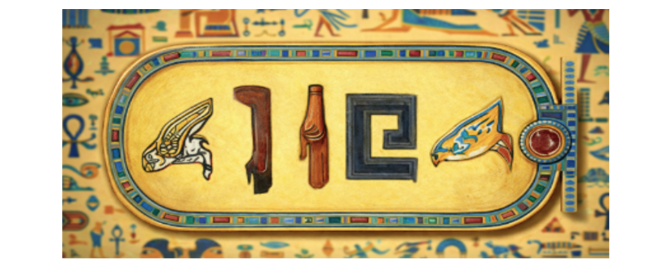
- • Creating Egyptian cartouches, developing understanding of symbolism, identity and design principles
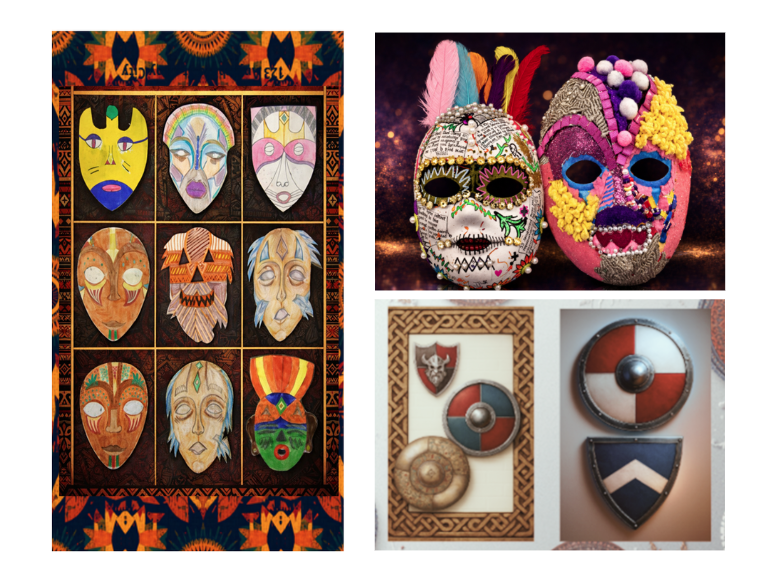
• Viking art, exploring pattern, symmetry and visual storytelling within a historical context
• Clay mask making, developing three-dimensional skills, tactile engagement and emotional expression
• Natural forms collage, strengthening observational skills, composition and texture exploration
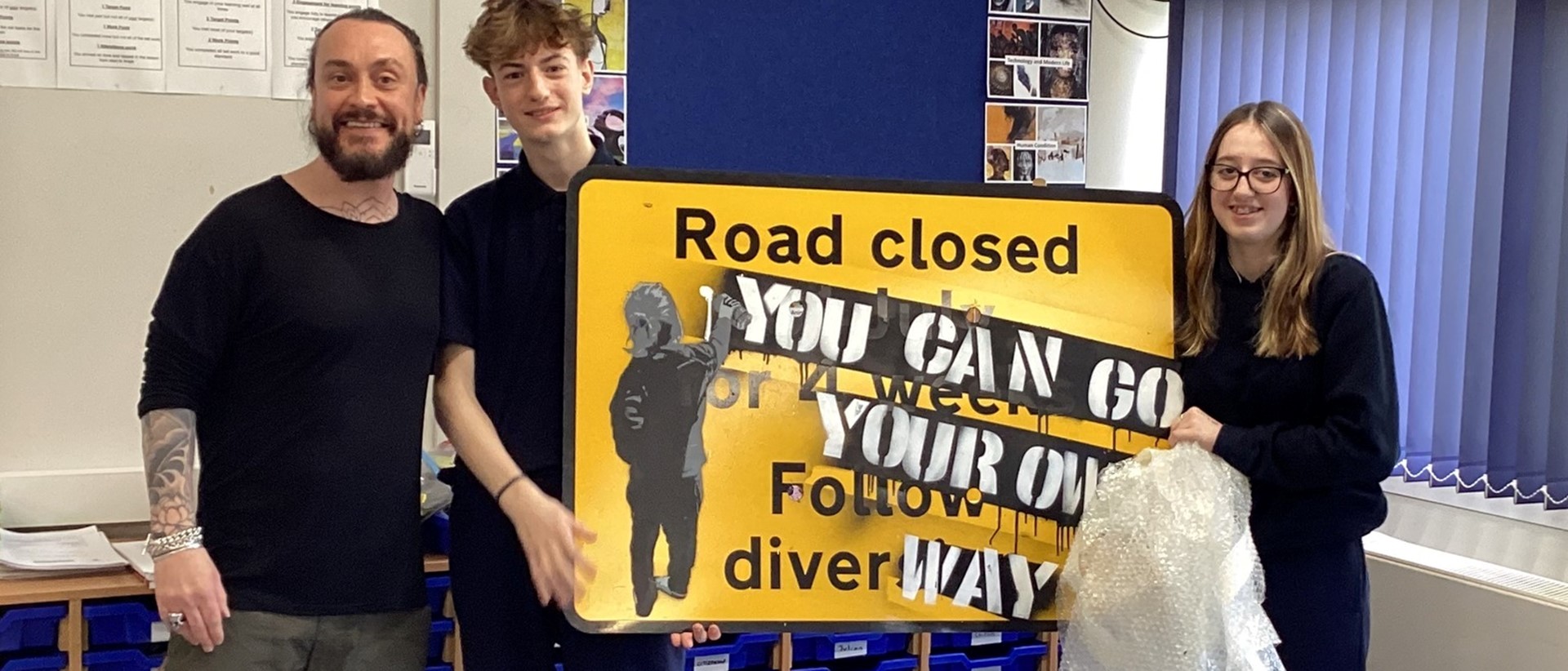
• Year 9 Pop Art mini project, promoting independence, experimentation and engagement with contemporary visual culture
Each project is underpinned by clear learning objectives, success criteria and opportunities for structured reflection. Sketchbooks are used as a central tool to document the creative process, supporting pupils to record ideas, and experiment with materials and refine their work over time.
Teaching is adaptive and responsive, ensuring all pupils can access the curriculum. Strategies include scaffolding, modelling, chunked instructions, visual supports and the use of consistent routines. Retrieval practice is embedded through regular revisiting of prior knowledge, questioning and low-stakes recall activities, supporting long term memory development.
The learning environment is calm, structured and sensory aware, supporting pupils’ emotional regulation and readiness to learn. This is particularly important in enabling pupils with additional needs to engage successfully and sustain focus.
Assessment is ongoing and formative, with regular verbal feedback, guided self-assessment and opportunities for peer discussion. Teachers use assessment to identify gaps in knowledge, adapt teaching and ensure that all pupils make progress. Outcomes in sketchbooks and final pieces provide clear evidence of learning over time.
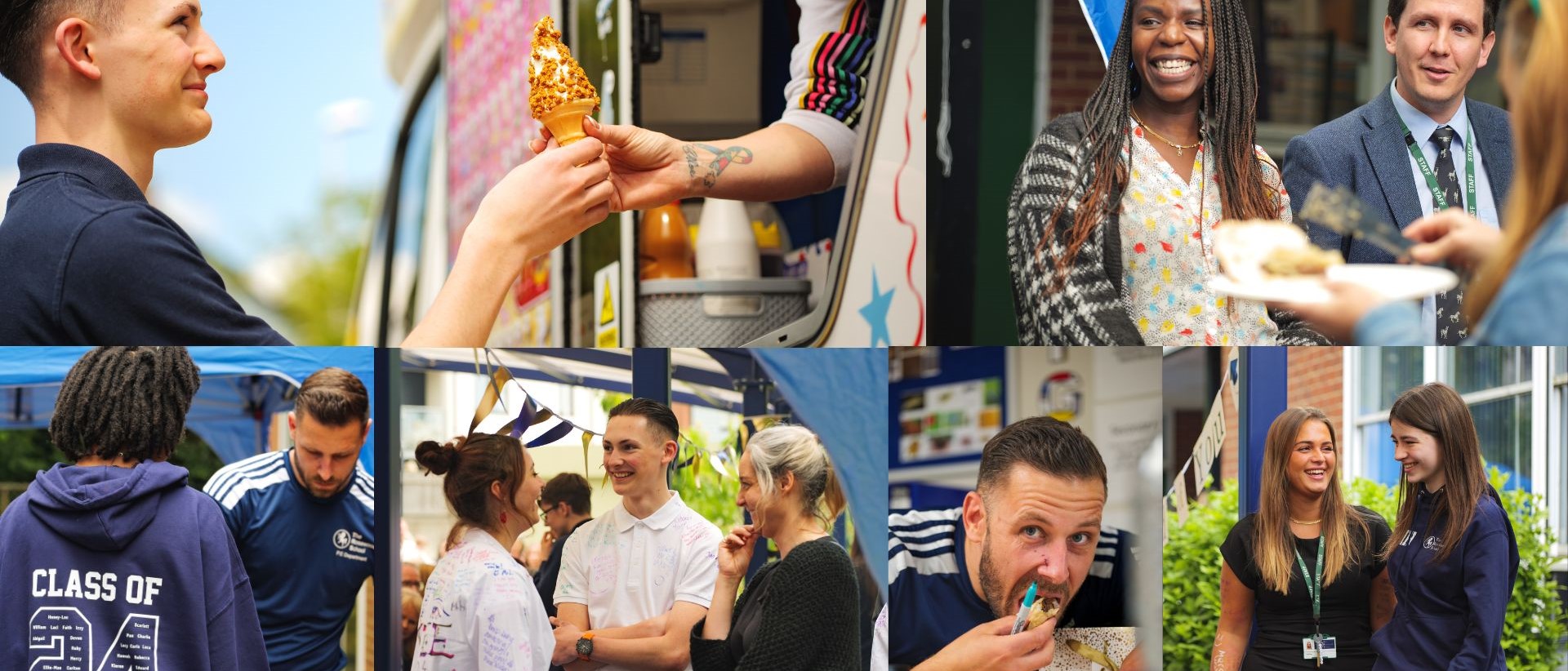
The curriculum is enriched through engagement with creative industry professionals, who deliver workshops in areas such as floristry, tattoo art and photography. Collaboration with a University Technical College (UTC) further enhances provision through specialist teaching in photographic composition, helping pupils to understand potential pathways within the creative industries.
Impact
By the end of KS3, pupils demonstrate clear and measurable progress in their ability to use materials, techniques and processes effectively. Their work shows increasing control, creativity and intentionality, with outcomes that reflect both skill development and personal expression.
Pupils are able to use subject specific vocabulary accurately to describe, analyse and evaluate their work, as well as the work of others. They demonstrate the ability to reflect on their learning, make improvements and work with increasing independence.
Sketchbooks provide strong evidence of progress over time, showing a clear journey from initial ideas through to refined outcomes. Pupils develop confidence in experimenting, taking risks and responding to feedback.
In addition to artistic outcomes, pupils show significant development in resilience, focus, communication and self-regulation. These transferable skills positively impact learning across the wider curriculum.
All pupils are well prepared to progress to GCSE Art and Design, equipped with the foundational knowledge, technical skills and confidence required for further study.